




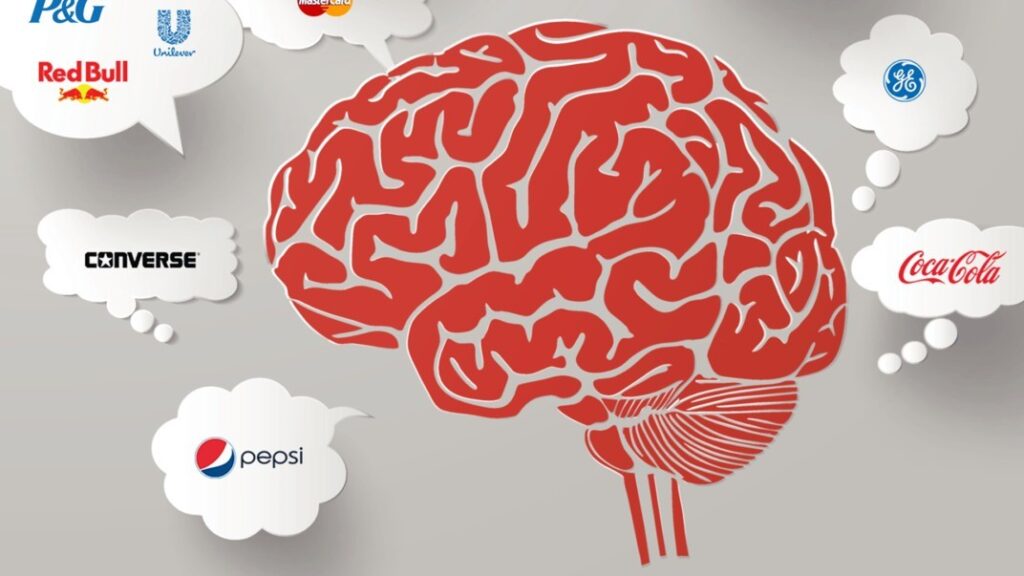
Branding isn’t the clean, logical exercise we like to pretend it is. Sure, we talk about strategy, research, insights and frameworks. All very respectable. But the truth is far messier and far more interesting. Branding is psychological warfare in a velvet glove. A brand wins not by being the smartest voice in the room but by slipping quietly into the subconscious and shaping how people feel before they even realise it.
Because at its core, branding is not about logos or slogans. It is about perception, emotion and the little mental shortcuts our brains take when deciding what to buy, who to trust or where to book dinner. Once you understand these psychological triggers, you see branding for what it really is: a carefully orchestrated emotional experience.
The Brain Makes Decisions Before You Do
Let’s start with a humbling fact. Up to 95 percent of consumer decisions happen subconsciously. We like to think we are rational beings weighing pros and cons, but our brains have already made the choice long before the rational voice shows up. The rational voice is basically the intern. Keen, excited, but rarely in charge. This is why the best brands don’t just communicate benefits. They design emotional cues that engage the instinctive brain first. The strategic message is important, but the emotional trigger is what moves people to act.

Priming: Winning the Mind Before the Message
Priming is one of the most underrated tools in branding. It is the idea that the things you see and feel before an interaction shape what you believe about the brand when you finally meet it. Take Apple. Their packaging, stores and even lighting have been quietly training your brain for years. Before you touch a single product, your mind has already been primed to think innovation, simplicity, exclusivity. That impression lands first. The product comes second. Priming is not loud. It is subtle conditioning. It is the whisper before the conversation.

Cognitive Dissonance: Making People Believe in Their Own Choices
Cognitive dissonance happens when our actions and beliefs don’t match. The discomfort pushes us to justify our decisions so we feel consistent. Smart brands help customers eliminate this discomfort or even use it to deepen loyalty.
Think of someone buying an eco-friendly product. The purchase is not just functional. It is self-affirming. It reinforces the person they want to be. Patagonia understands this better than almost anyone. Their customers buy products, but they also buy a worldview that aligns with their identity. A brand that helps reduce doubt earns trust. A brand that reinforces identity earns loyalty.
Social Proof: The Human Desire to Follow the Herd
People trust people. When we are unsure, we look for signals from others to guide our choices. This is why social proof is one of the most powerful psychological levers in marketing. Testimonials, reviews, influencers, UGC, endorsements. All different forms of reassurance that say you’re making a good choice.
Nike is the master of this. When world-class athletes wear the brand, the subconscious message is simple: if it is good enough for them, it is definitely good enough for me. Social proof works because it taps into our natural instinct to belong.

Color Psychology: Feelings Before Logic
Colors speak faster than words. They trigger emotions before the brain has time to process meaning. That is why red feels bold and energetic. Why blue feels trustworthy and dependable. Why green feels natural and calming. Brands that understand this use color intentionally. Coca-Cola, McDonald’s and Target use red to energize and attract. Facebook, Twitter and IBM use blue to signal stability and professionalism.
The magic happens when the color supports the brand’s personality instead of simply decorating it.
The Scarcity Principle: Creating Desire Through Limits
Scarcity is a psychological magnet. When something is limited, exclusive or disappearing soon, the brain goes into alert mode. It is the fear of missing out, and it is incredibly motivating. Luxury brands use this expertly. Rolex, Louis Vuitton and other high-end houses create intentional scarcity. Not everyone can get the product, and that is exactly why more people want it. Scarcity adds emotion to the purchase. It turns a product into a reward.
So What Does All This Tell Us?
Branding is not just storytelling or identity design. It is a psychological craft. Every touchpoint is a chance to shape emotion. Every message is an opportunity to influence instinct. Brands that understand this don’t just communicate. They connect. In a world overflowing with choice, the brands that stand out are the ones that navigate the mind, not just the market. They design experiences that feel right before they make sense. They understand that emotion beats logic every time.
Crafting a brand isn’t just a creative exercise. It is a study of human behaviour. And once you tap into the psychology that drives decisions, you stop selling products and start shaping meaning. That is where the real power of branding lives.
www.pamplusplus.com An Adaptive, End-to-End Branding and Marketing Consulting Firm. with NO SLOGAN. JUST RESULTS